.svg)
Sciemetric’s Engine Testing Solutions for Manufacturing

At Sciemetric, we know engines inside and out. It’s where we started in manufacturing in the early 1990s when we pioneered digital process signature analysis for in-process defect detection, creating the industry’s first engine cold test application for a V8/V10 engine line. Today our systems and turnkey solutions for ICE Powertrain ensure the quality of millions of engines every year, around the world. The effectiveness of our solutions rely on the following pillars:

Turnkey EOL Test Systems
From complete, turnkey new engine test stations to upgrades and retrofits, Sciemetric delivers customized engine testing solutions to meet your needs. Enable simple tests and measurement, data collection, analytics—or any combination.
Collect and Manage Process Data
The engine production line generates a lot of data—and Sciemetric makes it easy to manage! Use Sciemetric’s QualityWorX Suite to collect and store your process data, from one process or across the line!
In-Depth Engine Expertise
With deep expertise in every stage of engine production, including components, sub-assemblies, and engine final assembly, we have an in-depth knowledge of the potential problems that could occur and how to test for them.
Connect Upstream Processes
Sciemetric can help you connect assembly processes along the production line so you can catch problems before cold test and/or implement updates to upstream tests based on issues found at cold test.
Flexible Solutions for Any Engine Design
Our proven approach adapts to your unique engine models and evolving production requirements, ensuring consistent, continued performance and ROI.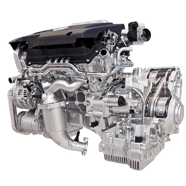
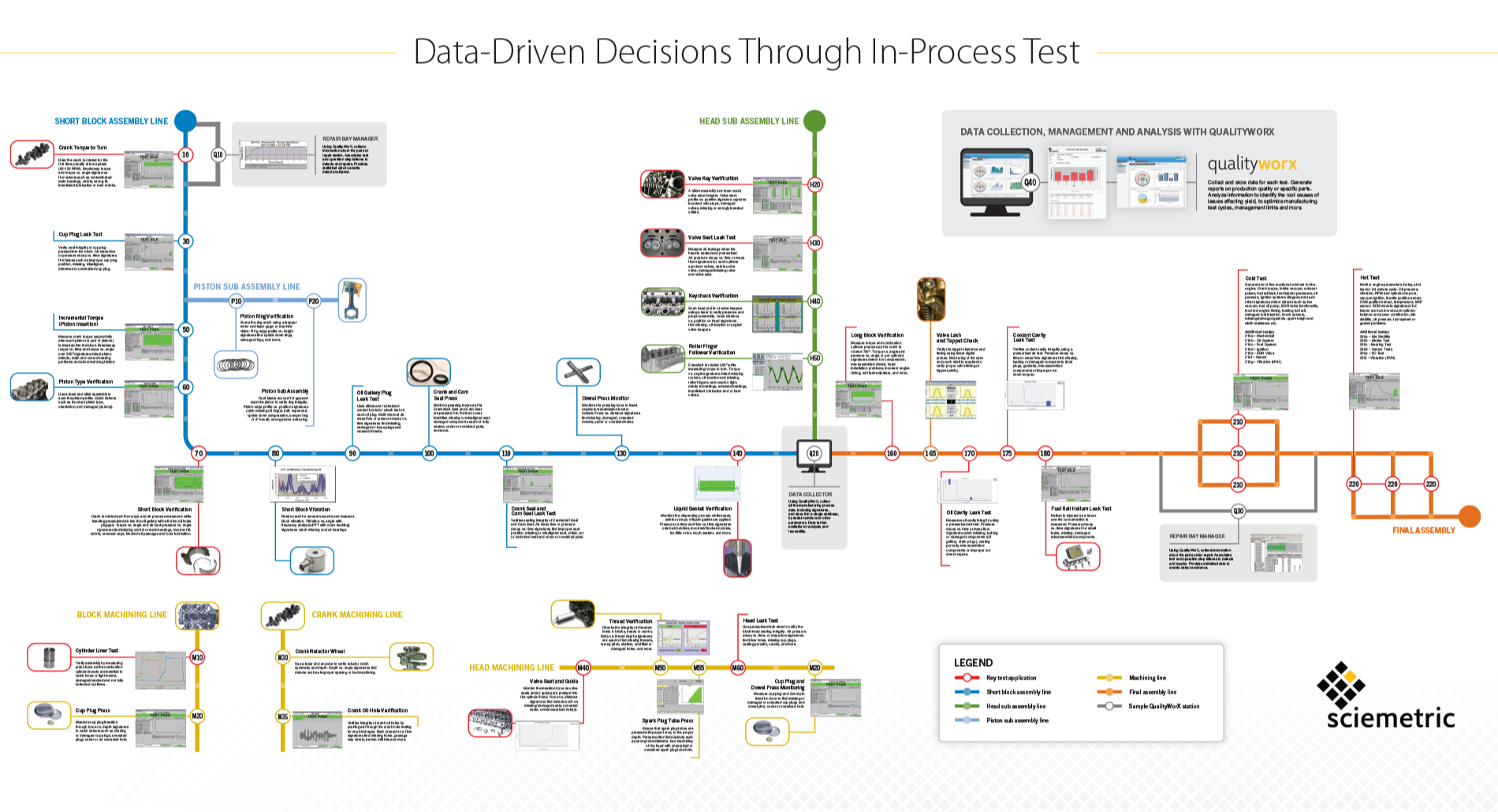
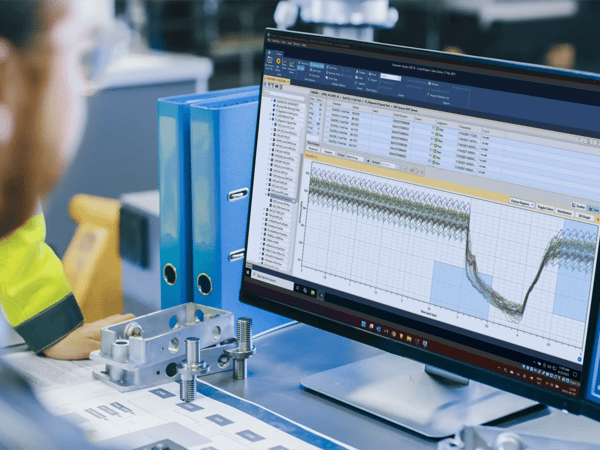
Deeper insight, greater accuracy in engine testing using Sciemetric’s technology
The engine cold testing method is enabled by Sciemetric’s process monitoring system—powered by our digital process signature technology. By comparing waveforms with those of known “good” engines, the system quickly identifies and pinpoints defective processes, rejecting abnormal or substandard engines.
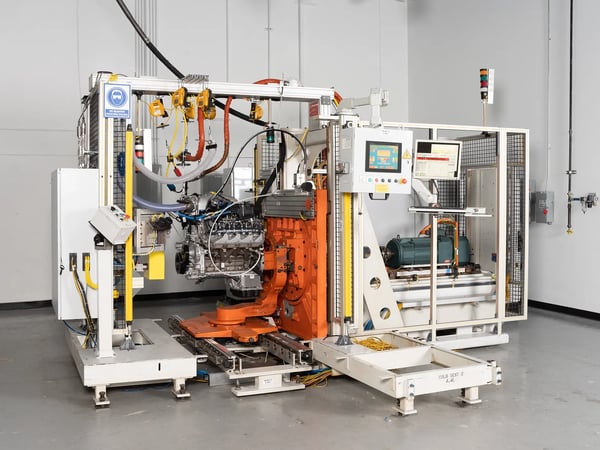
Get Sciemetric to build your turnkey engine testing station
Sciemetric offers a one-stop shop for turnkey end-of-line testing systems on the production line. We will manage every stage of the design, build, and integration process to deliver a solution that meets your needs, on-time and on-budget.