Use data to quickly investigate product quality
spills—and mitigate the repercussions

Without the right tools and systems in place during the production process, managing a quality spill is left mostly to guess work—which can halt production and/or lead to mass recalls.

Using Sciemetric’s QualityWorX, manufacturers have the depth of data and the tools they need to quickly investigate and identify faulty parts by unique part identifier (such as serial number, batch number, timestamp, etc.) and perform a targeted recall to avoid a mass recall and get their lines back up and running faster.

How QualityWorX helps manufacturers quickly manage quality spills:

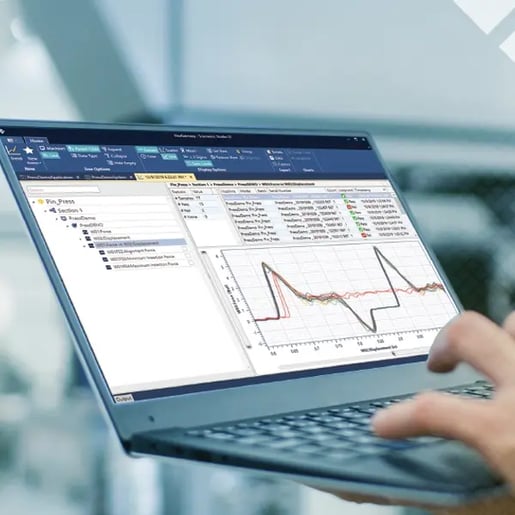
One hand holding a small laptop featuring a Sciemetric Studio screen with waveforms while the other hand types on the keyboard

Better quality spill management using precise data and full traceability

Sciemetric’s unique digital process signature technology captures significantly more data points than traditional systems—down to fractions of a second. Using QualityWorX, this data is then stored and organized making it easy to quickly and accurately investigate a problem and identify the specific parts affected in the event of a quality spill. 
LEARN MORE ABOUT OUR TECHNOLOGY

How to use production data to minimize the cost and impact of a production recall

Sciemetric manufacturing data expert, Robert Ouellette, discusses how digital process signatures and traceability are key to determining the root cause of the problem, and how using SPC data alone will not be enough.


Don’t be caught unprepared for a quality spill.

Put a system in place to quickly identify root cause and get production back on track!

Manufacturer uses QualityWorX to avoid mass
recall—from 10,000 suspected engines to only 7!

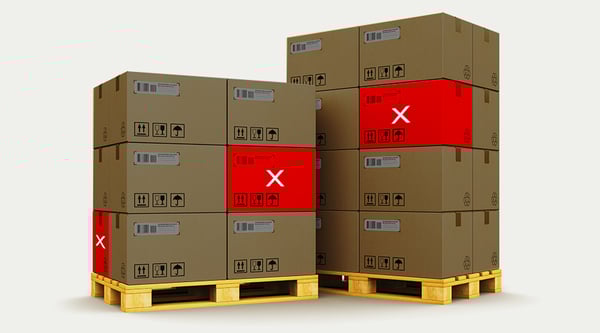
Cardboard boxes on a skid with some showing a red x to demonstrate defective parts ready to ship.

A serious engine defect was found in a customer vehicle. The plant was notified and after some preliminary investigation, management believed that there were 10,000 other vehicles with the same potential defect. 

The manufacturer, using Sciemetric’s QualityWorX, entered the serial number of the defective part and reviewed the associated digital process signatures. They were able to identify the anomaly in the visualized signature that indicated the presence of the defect—it was a result of a particular feature not being monitored as part of the test.

Using Sciemetric software, they were then able to reprocess the signatures and compare the known faulty engine to the historical test data of the 10,000 suspected engines. This process revealed that only 6 additional engines were affected. They were able to perform a focused recall of those 7 engines, by serial number—saving an estimated $5M, plus the negative impact of a public recall.